April 6, 2013

Preparing for Your Weigh-Out

The 2013 WLC Weigh-Outs start Mon (4/8)!
Times & locations are listed in our prior post.
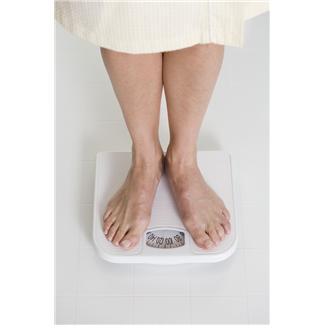
Here are some thoughts to help prepare for your weigh-out:

- Multiple people have asked about weight differences between the weigh-in scale vs. other scales they've used during the Challenge.
Unfortunately, scales can vary for different reasons (such as quality, technology, age, etc.). Differences could also be caused by natural weight fluctuations, disparate clothing, hydration levels, etc. However, even if the numbers are different, weighing out where you weighed in should help limit or eliminate any mechanical differences.

- There are lots of potentially unhealthy quick weight loss tips available online or passed through social circles. However, there are some healthy things you might consider trying, especially if close to your goal (either slightly above or slightly below):
     - Don't starve or dehydrate yourself in advance. Not eating (or not eating enough) backfires by slowing your metabolism. Not drinking enough can lead to water retention (aka extra water weight).
     - Avoid excess salt (common in restaurant, frozen, & pre-made foods). It can also promote water retention.
     - Limit empty calories (no nutritional value). These foods can gradually pack on the pounds & rarely help you feel full.
     - Fiber is great for your body. However, some fiber sources can weigh heavily while in your system. It takes plenty of water, time, & often some physical activity to exit timely.


Ultimately, remember that the number on the scale is just one tool or guideline. For more info, check out,:
- Primus' Why the Scale Lies (explains why weight fluctuates)
- DailySpark's 10 Signs You are Getting Healthier Even if the Scale Doesn't Move


Even if you don't think you met your 10lb goal, we strongly encourage you to weigh-out anyway. It will allow you to mark your progress & celebrate what you did accomplish. It will also help get you in the mindset for October's Weight Maintenance Challenge.

April 5, 2013

April 2, 2013

Putting The "Fit" in Fitness

The arrival of spring can be a great time to clean up your fitness routine (or lack thereof). Plus, as the end of the Weight Loss Challenge is nearing, you may be experiencing a new sense of urgency to lose the last couple pounds &/or maintain weight already lost.

When your body gets used to a certain activity, it can accomplish that exercise more efficiently. To continue getting the most health benefit or potential weight loss, you may need to add some challenge. This can often be done through increased:
- frequency (times per week),
- duration (amount of time spent or repetitions & sets), or 
- intensity (how hard you work... like incline, speed, weight/resistance, etc.).

There's no one-size-fits-all approach. Depending on your situation & goals, you may choose one or alternate as needed. Sometimes, those 3 strategies won't be reasonable for you. Other options could include:
- trying a new activity (to use muscles in different ways or reignite excitement... Don't forget to check out our fitness partners for ideas.)
- doing intervals (e.g., run/walk/bike/swim for 1 minute & then go faster for 1 minute & repeat OR a circuit of 1 minute of cardio followed by 1 minute of resistance or strength training & repeat)
- changing your routine (e.g., being active outside or using hand or free weights impact muscles differently than using a treadmill, stationary bike, weight machine; doing different exercises to target a muscle group; etc.)

For more tips, check out whichever topics interest you.
To review the potential benefits, different types, & the recommended amount of physical activity, please try our search box (upper left sidebar).

Plateaus
- American Council on Exercise's Weight Loss Plateaus & Pitfalls

Excuses

Intensity

Frequency or Duration
- Women's Day's Find Time to Work Out

Being Active with Health Concerns
- American Council on Exercise's Exercising With Health Challenges (For more articles, continue clicking on "View More" at the bottom.)
- National Institute of Diabetes, Digestive, & Kidney Diseases' Active At Any Size

March 30, 2013

Water, Water Everywhere...

Since the human body is made of over 60% water, water is crucial for survival. Drinking enough water can help:
- energy levels
- weight loss or maintenance
- remove bodily waste
- maintain or improve concentration & performance

Most people do not drink enough water. Previously, the rule of thumb was 64 ounces/day. However, research has shown no justification for this number. Wondering how much to drink?
- One current thought is to drink (in ounces) about half of your body weight (in pounds). [e.g.,:  150lb person = 75 ounces; 200lb person = 100 ounces]
- Certain health issues &/or medications require a more personalized approach.
- The average person can use thirst as their guide. But, being active &/or being in a hot or humid environment will increase the amount of fluid needed.
- Urine can also be a great hydration clue (color-- ideally clear to pale yellow-- & possibly the frequency).

Water is necessary for all organs to function. So, there can be too much of a good thing. Although rare & often extreme situations, some people have died from water intoxication.

Interesting Facts:
- About 20% of fluid intake comes from what we eat. (WebMD's Wonders of Water explains how.)
- Just 2% dehydration can begin to interfere with performance.
- Experts are divided whether caffeinated beverages should count towards fluid intake.
- Your brain can sometimes mix up hunger & thirst sensations. (So, if you feel hungry & it shouldn't be time to eat again, try drinking some water first.)


For more info, check out:
- WebMD's 7 Wonders of Water
- Military.com's Does Water Affect Weight?
- Eat Smart Move More's 5 Smart Ways To Go Green With Drinking Water

March 26, 2013

Overcoming Weight Loss Obstacles

Whether your weight loss journey has been easy or challenging, it is natural to eventually hit a plateau. Plateaus can feel very frustrating but often just signal the need for change. Here are some common possible factors to consider examining:

- Portion size:  When beginning a "diet", we're so excited & tend to dramatically cut down how much we eat. Over time, the amount of food tends to creep back up... adding more calories than we realize. On the other hand, trimming your food intake too much could cause slowing of your metabolism or binging (eating very large quantities of less healthy food choices).

- Food choices:  Initially, we tend to limit what we'll eat & swear off certain foods. Some people can stick to this short term... until deprivation sets in or an event catches them off-guard. All food groups have benefits (yes, even fats & carbs). Most healthy diets can absorb occasional treats. But, are you wasting calories on foods you don't care about or that contain empty calories? Make sure your calorie intake is reasonable & that you're getting the most bang for your nutritional buck!

- Being Active:  This is important for both a healthy weight loss/maintenance plan & overall lifestyle. Injury, illness, being in a rut, & the busy, breakneck pace of life can easily get in the way. Make physical activity a priority to improve health, lessen stress, & reap many other benefits. When at a plateau, you may need to adjust frequency (how often), duration (how long), intensity (how hard), or some combination thereof. Or, perhaps, try a new activity (like one from our partners-- listed as "Fitness Deals" on the left sidebar).

- Sleep:  Many people don't realize how integral consistent, quality sleep is to your health & even weight loss efforts. It's hard to exercise when tired (although light to moderate activity can be energizing). When tired, we also tend to crave foods that aren't as good for us & our body has trouble regulating when we're full. Focus both on quality & quantity.

- Stress:  Whether from emotional eating or how it changes your body's hunger regulation, intense or prolonged stress can be damaging in many ways. Try to identify what's bugging you & find non-food ways to cope.

If you have thoughtfully examined your habits & are still struggling, there are some health issues & medications that tend to make weight loss more difficult. These reasons are not as common as the ones listed above. However, if concerned, please contact your healthcare provider.


For more info & tips, please check out our prior blog posts (try our new search box in the upper left sidebar) or:
- WebMD's Weight Loss: Plateau No More (an explanation & concrete tips to consider)
- WebMD's interview with Dr. David Katz How to be Healthy Without Really Trying (realistic & family friendly ideas to ease into healthy or even healthier behaviors)
- RealAge's Weight Loss Tips for Women (many are relevant to both genders)

March 22, 2013

You're SO Sweet!-- Artificial Sweeteners

Our efforts to lower calorie consumption while still enjoying sweet treats have led many people to use sugar substitutes or products that contain them. While alternatives began debuting decades ago, the arguments over benefits & safety still rage on.
Commonly available sugar substitutes include:
- Sucralose (e.g., Splenda)
- Acesulfame Potassium
- Rebiana or Stevia (e.g., RebA or Truvia)
- Aspartame (e.g., Equal)
- Saccharine (e.g., Sweet & Low)
- Sugar Alcohols (often end in -itol, such as xylitol or sorbitol)

For descriptions, uses, & taste test results, check out WebMD's A Buyer's Guide to Sugar Substitutes.
 
To learn about how blood sugar levels are impacted by sugar substitutes, check out Diabetic Living's Sugar Substitutes page. There's also baking tips & low sugar dessert ideas.

Safety of sweeteners
Many sugar alternatives are currently considered safe when consumed in moderation. Children & pregnant women are recommended to limit or avoid substitutes. There is also a small segment of the population who are allergic or have a sensitivity.

However, there have been cancer studies done with conflicting results. This led to the status of some substitutes changing over time (e.g., saccharine).

For a conservative approach, check out the Center for Science in the Public Interest's (CSPI) Food Additives (below the list, there's explanations of each alphabetically; for a brief overview, check out the Artificial Sweeteners listing).

More recently, several studies have focused on the relationship to weight. Oddly enough, many are finding that the calorie free sweeteners have not led to statistically significant weight loss. Some studies have actually indicated weight gains when substitute sweetened items (e.g., diet soda) are consumed.

For details, check out:
- MedicineNet's Artificial Sweeteners Symptoms, Causes, & Treatment (Some theories for weight gain are explained. Click on the box to right for related topics of interest.)
- National Center for Biotechnology Information's (part of NIH) Sugar Substitutes: Health Controversy Over Perceived Benefits (It's long & technical but has some really good info like why study results are unclear & why certain sweeteners may be less safe.)

March 18, 2013

Liquidity-- What's in your drink?

One commonly overlooked reason why we gain (or struggle to lose) weight revolves around what we're drinking. Many beverages are surprisingly high in calories. They are often empty calories (no nutritional value) at that.

For some common examples, check out:
- MedlinePlus' Sweetened Beverages
- Glamour's Do You Know How Many Calories Your Favorite Drink Has? to compare with other foods.
- Sugar Stacks' How Much Sugar in Sodas & Beverages? (Don't miss the Shakes & Smoothies page.)
Read the nutrition label or facts to learn about your favorite.

Studies have linked sugary beverages to weight gain, regardless of age. This is partially because, even after consuming hundreds of calories, we don't feel full after most drinks. Prevention's Drink Less Sugar, Lose More Weight explains why in more detail. 

Tips:
- If you don't like plain water, try adding some low or no calorie flavoring. Keeping your water accessible & adjusting the temperature sometimes helps, too.
- Eat fruit instead of fruit juice for less calories & possibly some fiber. If you want juice, choose 100% juice [instead of a juice drink (lesser percent of juice) or punch].
- Don't be fooled by healthy looking names or descriptions on energy or sports drinks.
- When choosing a sugary beverage, choose the smallest size.
- When possible, control your own sweetener (e.g., order unsweetened coffee & then add your own; mix sweet & unsweet tea; etc.).

For more tips, check out:
- WebMD's Soda & Soft Drinks: How to Beat the Cravings
- Eat Smart Move More's Rethink Your Drink.

*Note:  Some studies indicate a possibility that some sugar substitutes can lead or be related to certain health concerns. At this point, these issues are not clear cut. We'll discuss this topic more in-depth later this week.*

New Partner Offer-- Zumba Punchcard on SALE!

Zumba punchcards (10 classes) are ON SALE!!!!
ONLY $35 if purchased in March!
$40 if purchased in April!
(Regular price $50)

The punch card is good for Gwen’s Friday class at the Senior Center and do not expire. Her other classes in Oxford are free. Participants can wait to use them until after the free Thursday Zumba class ends.

Class Details:
When: Every Friday at 5:30 pm
Where: Granville County Senior Center Cardio Room 
 
For more details, contact Gwen Hernandez at gwenkhernandez@gmail.com.

To learn about Zumba, check out USA Today's Zumba: Latin-inspired workout is a hot fitness trend.


Don't forget to check out ongoing fitness & nutrition deals from our other WLC partners! (The links are on our left side bar.)

March 15, 2013

Reading Nutrition Labels

Nutrition labels allow you to:
- find out what is in your food
- compare different brands or foods to make healthier choices.
This is an especially important skill when trying to lose weight &/or live a healthy lifestyle.

Nutrition labels are found on most packaged foods. Legally, all labels must look the same & contain certain info (like serving size, calories, sodium, etc.). However, some manufacturers also choose to list non-required items (e.g., the healthier fats--  monounsaturated & polyunsaturated fat).

To learn how to or just brush up on reading nutrition labels, check out:
- Academy of Nutrition & Dietetics' A Guide on How to Read a Nutrition Facts Panel
- US Food & Drug Administration's (FDA) Are You Smarter Than a Food Label? video (approx 5min; if you want a more in-depth lesson, they also uploaded a 30min video...)

Want to teach your kids about making healthy food choices? The FDA has Spot the Block for ages 9-13. Or, try Kids Health's Figuring Out Food Labels (kids) or Food Labels (teens).

March 12, 2013

Cooking At Home Vs. Fast Food-- A Comparison

While sometimes viewed as costly & time consuming, there's little doubt that cooking at home is healthier for your waistline through smaller portions & control over what ingredients are used (often resulting in less calories, fat, salt, sugar, etc.).

However, some meals can also be healthier for your wallet! Need proof?
- Time's A Healthy Home-Cooked Meal Costs Less Than Fast Food
- Forbes' What's So Great About Cooking? Four Reasons (& Resources) to DIY
(Stay tuned to the blog... Cost saving tips are coming soon!)

Still not convinced? Check out SparkPeople's $20 Food Showdown: Fast Food vs. Healthy Food.

However, there are times where you are just craving fast food... Here are some recipes to mimic your fast food favorites with less of a dent in your caloric & financial budget!
- Delish.com's Healthy Fast Food Alternatives
- EatingWell.com's 5 Fast Food Favorites You Can Make At Home (look below the article for additional choices)

========================================================
Do you have questions like how to eat more fruits/veggies, what to keep in your pantry, or how to eat out healthier items? Get your other questions answered on Thurs 3/14 at 5:30pm in the Maria Parham Classroom (Henderson) -OR- 7:15pm at Public Works (Oxford).
Sponsored by Granville-Vance District Health Department.